Strata Plumber in Kelvin Grove
At the last census, flats and apartments outnumbered separate houses here roughly two to one, 1,959 against 989, with another 201 townhouses and semis. Most plumbing calls here come from lots inside community titles schemes.
If we're late, $100 comes off your bill

- Licensed and InsuredEvery job done by a licensed plumber. QBCC No: 15024607
- Fixed Quote FirstFlat-rate pricing, agreed before any work starts
- Lifetime Labour WarrantyBacked by our Fix-It-or-It's-Free guarantee (T&Cs apply)
- $0 Call-Out FeesNo extra charge for nights, weekends or public holidays
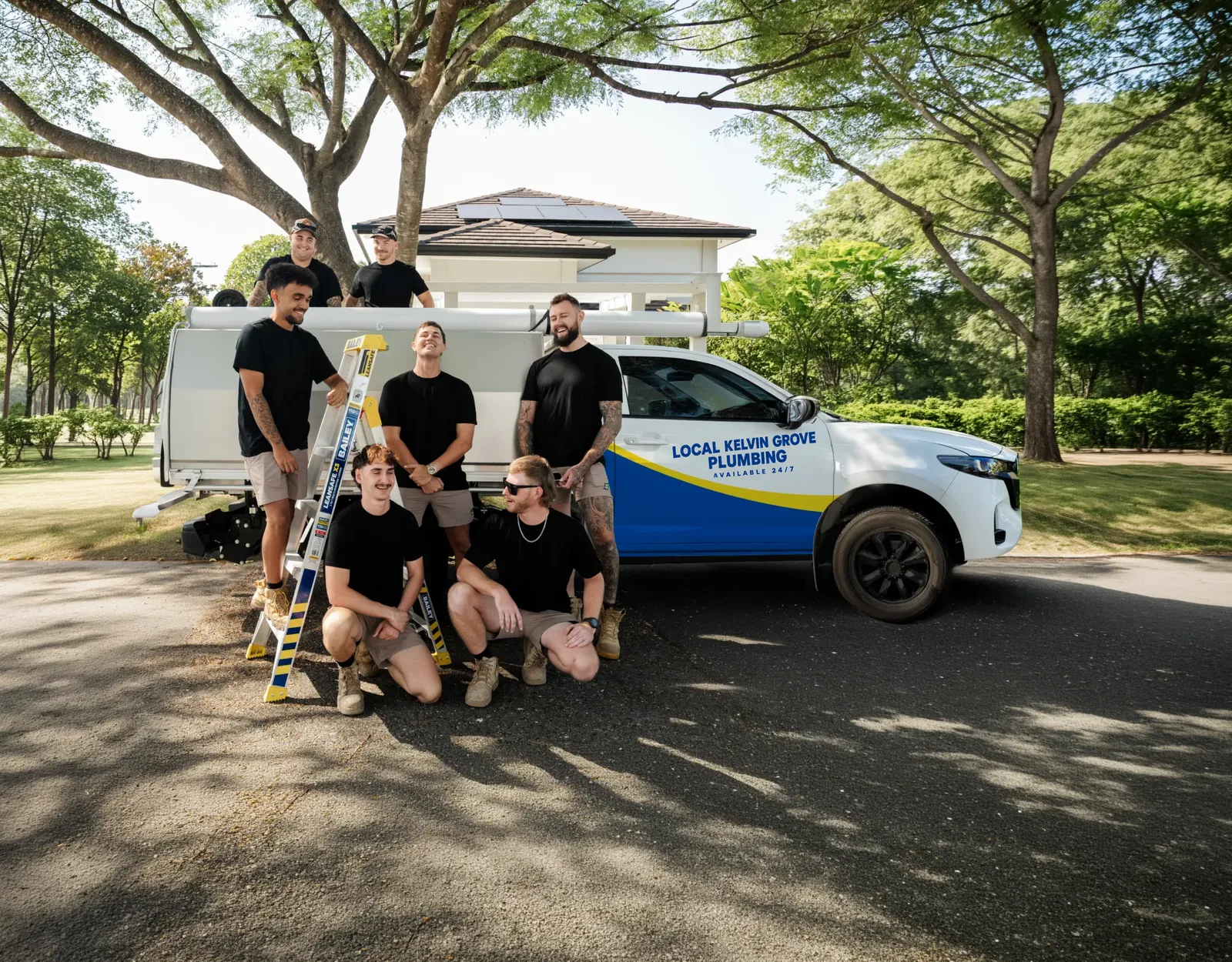
That mix is why a strata plumber Kelvin Grove lot owners call needs to know exactly where one lot ends and the shared property begins. We work across Kelvin Grove and the suburbs around it, sorting out which pipe is whose, stopping leaks that track downwards, and fixing the fittings inside your own lot. Every job is done by a licensed plumber, and the price is fixed before work begins.
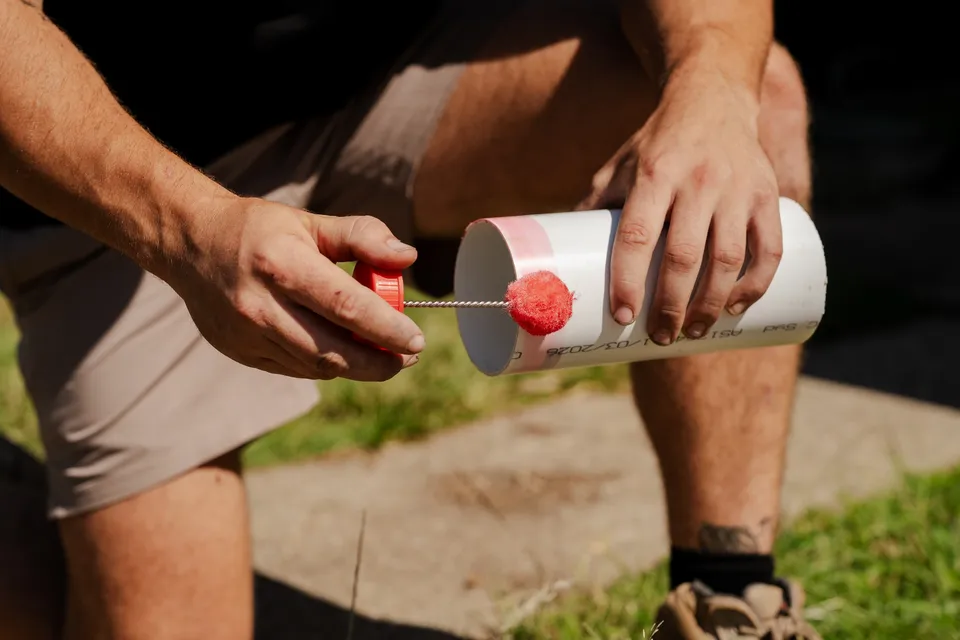
How to Tell a Lot Pipe From a Common Pipe
The body corporate maintains the utility pipes that are common property; you maintain a pipe that serves only your lot, sits inside its boundaries and clears any boundary structure. That is the three-part test Queensland applies, and it decides almost every question on this page.
Two plain definitions make it easier to apply. Your lot is the apartment or townhouse you hold within the scheme. Common property covers the remainder, which the body corporate manages.
Utility infrastructure means the pipes, sewers, drains and equipment bringing water, gas or drainage services to lots or shared areas. The test for any single line asks three questions:
- Does it supply one lot only, or more than one?
- Does it sit inside the lot's own boundaries?
- Does it avoid every boundary structure, meaning a structural floor, wall or ceiling where two lots meet, or where a lot meets shared space?
Answer yes to all three and the line is yours. Anything else is common property. A drop ceiling does not count as a boundary structure; only structural floors, walls and ceilings do.
Shut-Off Points in a Unit
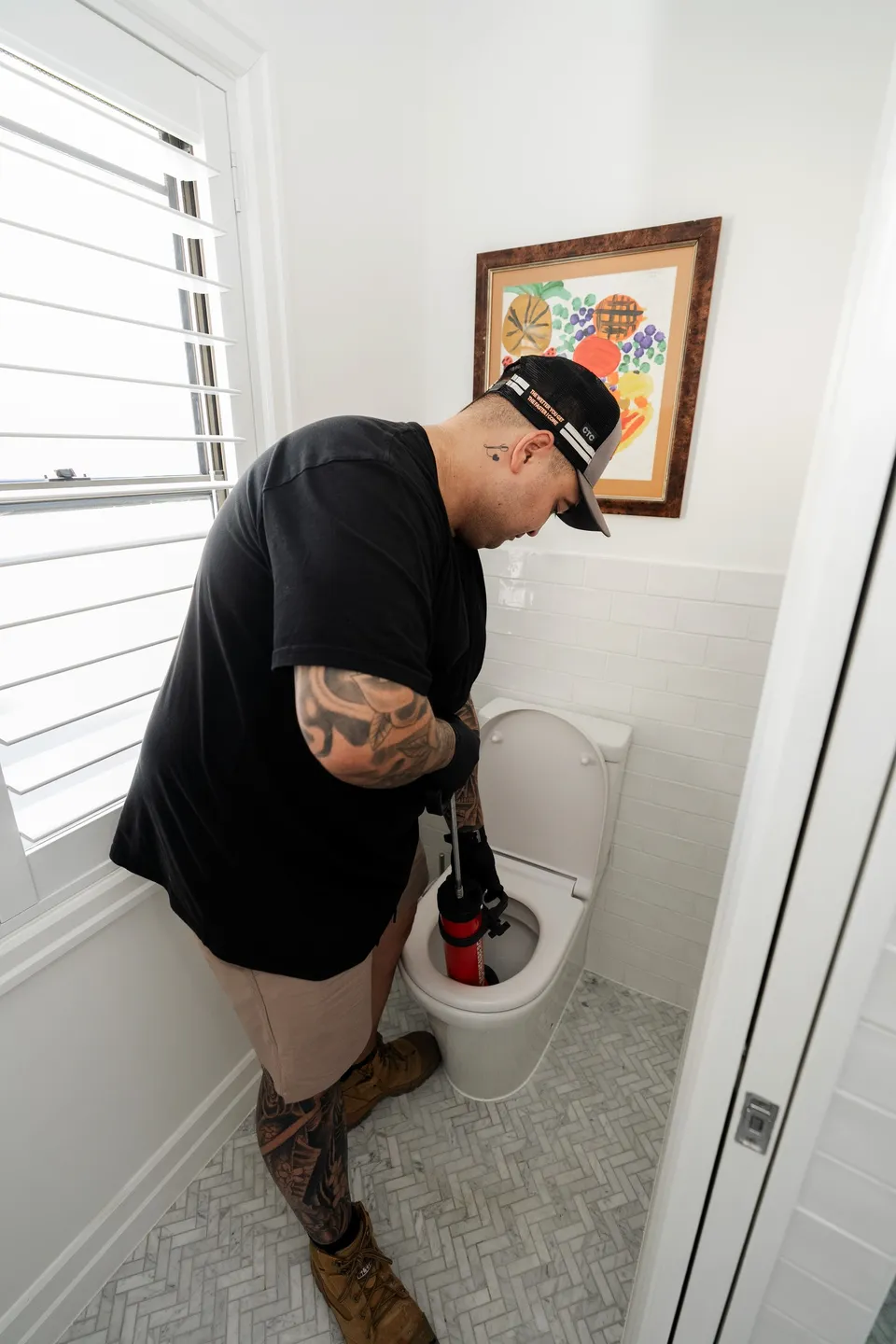
Start at the fixture. Each tap, toilet, dishwasher and heater has its own isolation valve, a small tap that shuts the water to that one fixture and nothing else. Closing the one at the leaking fixture stops the water there, and everything else in the unit keeps running.
Beyond the fixture, the picture changes. Since 1 January 2008, every newly subdivided strata building has needed a submeter for each lot. Those meters live somewhere reachable, usually a shared area, never inside a home.
Under Urban Utilities rules, the utility owns and maintains a submeter once it is registered and the lot is formally created. The shared fittings are not yours to operate either. The pipework linking the master meter to each submeter, the gear around each meter up to and including its isolation valves, and any meter enclosure stay on the shared side, with the body corporate or building owner.
So the practical rule in a leak is simple: close the valve at your fixture, and leave shared valves alone. Apartment kitchens and bathrooms around Musk Avenue and the urban village cram hoses and stop valves into tight cupboards, so a hose that lets go wets the neighbours fast. The flexi hose replacement page covers renewing those connectors before they fail.
Who Maintains the Source of a Leak
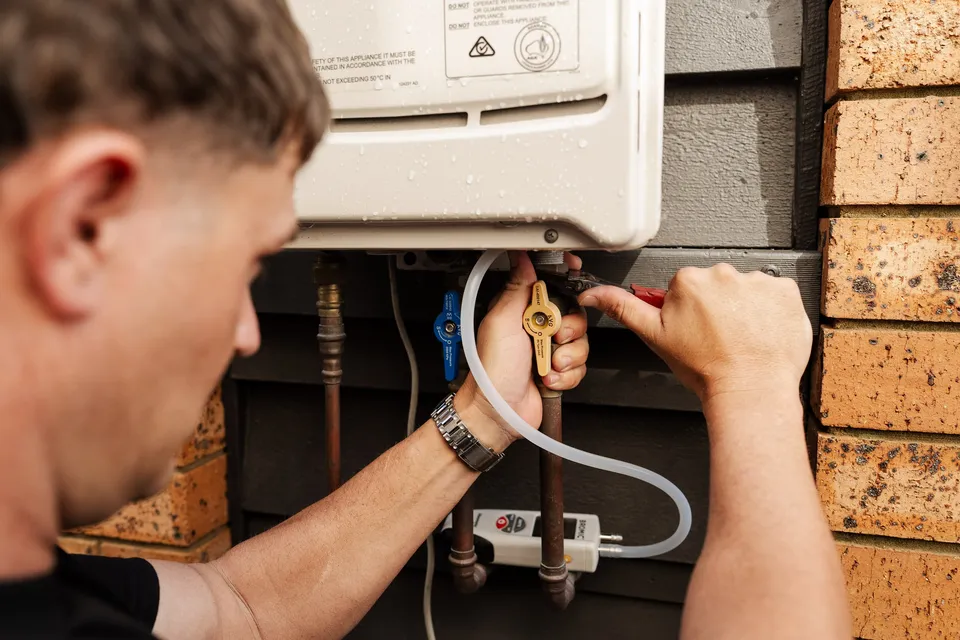
Three sources sit behind nearly every leak reaching the home below: a shower tray, a water heater serving one lot, and a pipe hidden in a boundary structure. Isolate the water first, then work out who books the repair, because the source decides whose job it is.
Shower tray
yours to fix, even if the tray sits beyond your lot's boundary. Water getting past the screen or the base? The leaking shower repairs page walks through the diagnosis.
A heater plumbed for your home alone
also yours, wherever it sits. Low-rise blocks near the QUT campus still run ageing electric storage units tucked in laundries and cupboards, and a corroded base can wet the floor below before anyone reports it.
A line inside a boundary wall
the body corporate arranges that repair.
If the source is not obvious, our leak detection work traces the water to where it starts. That settles the question before anyone pays for the wrong repair.

Pipes in Walls, Floors and Ceilings
Apartment blocks put boundary walls, floors and ceilings under the body corporate, while a pipe that serves one lot only, hidden in an internal wall, falls to you. Apartment blocks run on building format plans, which is why the split works that way.
Townhouse complexes run on standard format plans, and the test changes shape there. A water line serving several lots is common property, which the body corporate maintains. A line that runs inside a single lot's boundary, serving that lot alone, is the owner's.
The distinction matters most in a suburb like this one. The same damp patch on a wall can be a cottage owner's straightforward repair or a scheme-wide question in a tower, and knowing which before you call saves an argument later.
How We Work
- 1

Call or message us
Ring (07) 3523 7121 or use the form and describe what's going on in Kelvin Grove. A few details up front mean the right gear comes on the first trip.
- 2

We identify the pipe and the fault
We find where the water is coming from and check the wall or floor it runs through. We then apply Queensland's lot-versus-common test, so you know straight away whether the repair is yours to arrange.
- 3
Fixed quote, then the work
We give you a fixed quote before any work starts. It's flat-rate pricing with no hidden fees, and we only start once you approve it.
- 4

Settle up your way
Card and EFTPOS payment on site when the job's finished, or Fix now, pay later if that suits you better.
Plumbing job in Kelvin Grove?
$0 call-out fees, available 24/7, and same-day where we can.
Questions Kelvin Grove Unit Owners Ask
Call (07) 3523 7121Is plumbing covered by the body corporate in Kelvin Grove?
No, only partly. Pipes on common property are the body corporate's, while a line serving your lot alone, inside its boundaries and outside every boundary structure, is yours to maintain.
Who fixes a burst pipe inside my unit wall?
The wall decides. Boundary structures put a pipe on the shared side, while an internal wall pipe serving your lot only is yours. We identify the wall type before quoting.
Who is responsible for pipes in a Kelvin Grove townhouse complex?
The body corporate maintains any water line shared by several lots. A line confined to one lot's own boundary, serving just that home, is the owner's. The scheme's plan type decides the split.
Does a unit bathroom renovation need a plumbing permit?
Yes, some do. Renovations in an apartment can be complex enough to require a local government permit instead of a Form 4, the notice a licensed plumber files with the QBCC once notifiable work wraps up. Check with us before work starts.
How do I stop a leak reaching the unit below?
Close the isolation valve at the leaking fixture or appliance and stop using it. Whoever looks after the source then books the repair. We can talk you through finding the valve on the phone.

Call Us About Your LotWe'll call you back.
Ring (07) 3523 7121 and tell us what's wrong. You get $0 call-out fees, a fixed quote before any work starts and same-day where we can, 7 days a week.
To claim your $0 call-out fee, call (07) 3523 7121 today.